ESG Strategy & Reporting
Set ESG priorities your organisation can act on, assign clear responsibilities and report progress against an agreed basis.
Discuss Your ESG Strategy
Please fill in the form below and we will contact you shortly.
Build an ESG programme around your business priorities
An ESG strategy gives management a structured way to decide which topics matter, what needs to change and how progress will be measured. Land Sterling supports UAE organisations developing their first programme or improving an existing approach to sustainability reporting.
We connect stakeholder expectations and business objectives with a realistic assessment of current practices. The outcome is a programme that identifies actions, owners and reporting needs, so the annual report reflects an ongoing management process rather than a separate writing exercise.
Our ESG strategy and reporting services
We work with boards, executive teams and sustainability leads to define the purpose, reporting boundary and decision-making responsibilities before developing the strategy.
Baseline and maturity assessment
Review existing policies, management practices, available data and previous disclosures. We identify strengths, gaps and dependencies, distinguishing a missing process from missing evidence. The baseline establishes where the organisation is starting and which issues require further investigation.


Materiality and stakeholder engagement
Map the stakeholders who influence or are affected by the organisation and assess relevant ESG topics against the selected reporting approach. Interviews, workshops and document reviews help explain why particular topics are priorities and how those conclusions were reached.
Governance and policy responsibilities
Define board oversight, management accountability and operational responsibilities for the ESG programme. We review the policy framework and escalation routes so that key decisions, exceptions and reporting approvals have identified owners rather than relying on informal coordination.

Performance indicators and targets
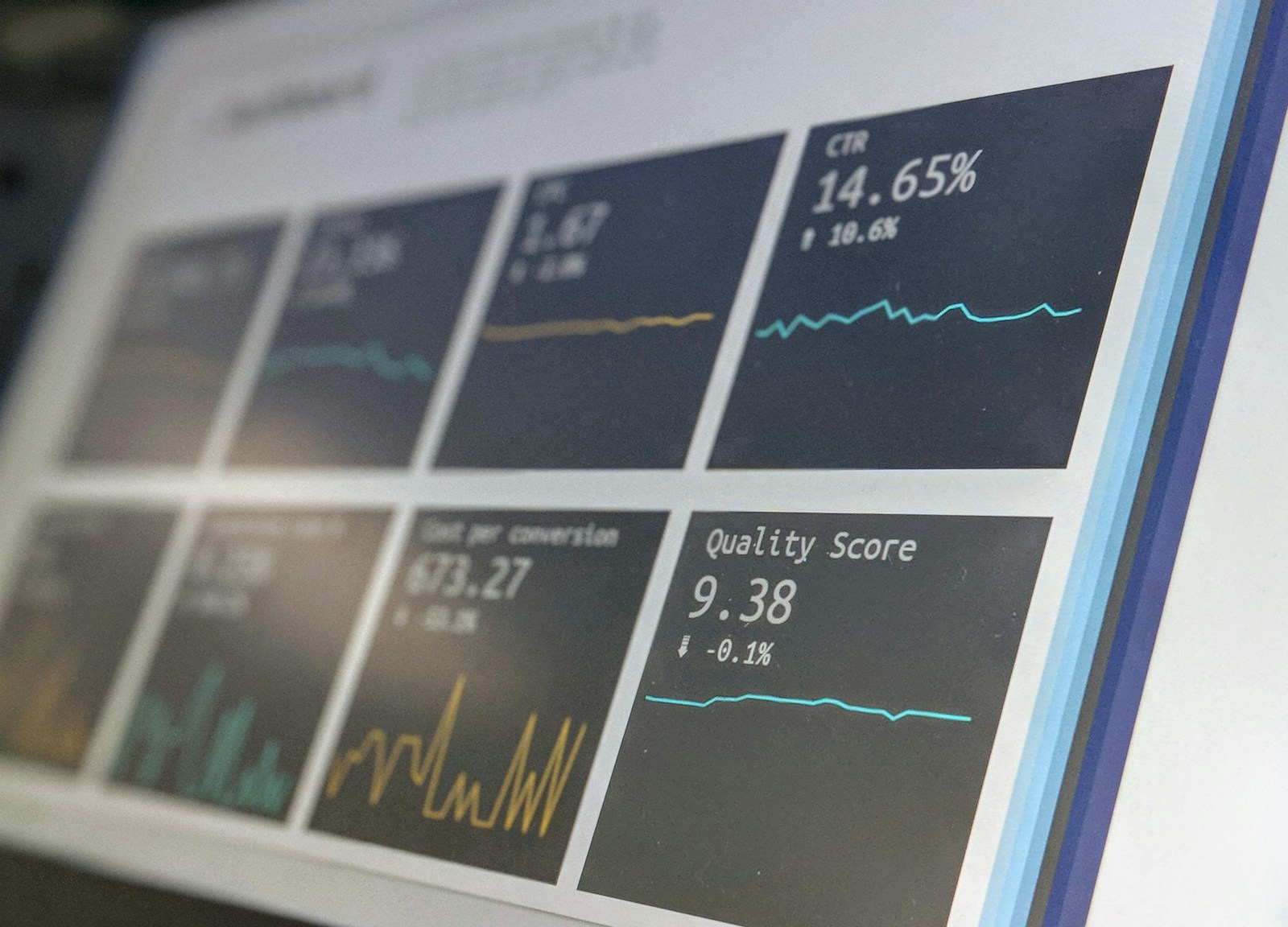
Develop indicators with clear definitions, boundaries, units, evidence sources and review frequency. Targets are assessed against the baseline and available resources. This helps the team distinguish an aspiration from a measurable commitment and recognise where more reliable data is needed.
Implementation roadmap and workshops
Translate the priorities into actions with owners, sequencing and resource considerations. Management workshops help teams understand the programme and their contributions. The roadmap can separate immediate process improvements from longer-term operational or investment decisions requiring further analysis.


Sustainability reporting support
Plan the report around its intended audience and agreed reporting basis. We support data coordination, narrative development and management review, including GRI or IFRS sustainability disclosure support where applicable to the engagement. Claims and reported results are checked against their evidence and stated limitations.
Deliverables and annual review
An agreed scope can include an ESG maturity assessment, materiality matrix, strategy roadmap, KPI and target register, board dashboard and sustainability report. At the next review, we assess progress, changes in the organisation and the evidence needed for the following cycle.

Related services
A strategy connected to operational decisions
Land Sterling connects ESG planning with the financial, operational and property information that clients use to make decisions. Our work makes the relationship between priorities, evidence, ownership and action explicit, helping different functions contribute to one programme.
Define your next reporting cycle
Share your business objectives, current reporting position and intended audience so we can scope the right support.