Carbon Accounting & GHG Inventory
Establish a carbon baseline that explains what is included, how emissions were calculated and where the data needs to improve.
Request Carbon Footprint Proposal
Please fill in the form below and we will contact you shortly.
Understand the emissions behind your operations
Carbon accounting helps an organisation identify its emissions sources and make informed reduction decisions. Land Sterling supports businesses in the UAE with greenhouse gas inventories that connect activity data to calculations, source evidence and a clearly defined reporting boundary.
We begin by understanding the organisation, its activities and the purpose of the inventory. The work can support management planning, investor information requests or sustainability reporting. Data gaps and assumptions remain visible so that users of the results can understand their limitations.
Our carbon accounting services
We organise the inventory around the agreed reporting period and boundary, drawing on operations, finance, procurement and relevant asset teams to collect and review information.
Reporting boundaries and source mapping
Define the entities, facilities and activities included in the inventory and record the selected consolidation approach. An emissions-source register maps the information required, its owner and the available evidence, reducing the risk of omissions or inconsistent treatment between reporting periods.

Direct emissions from operations
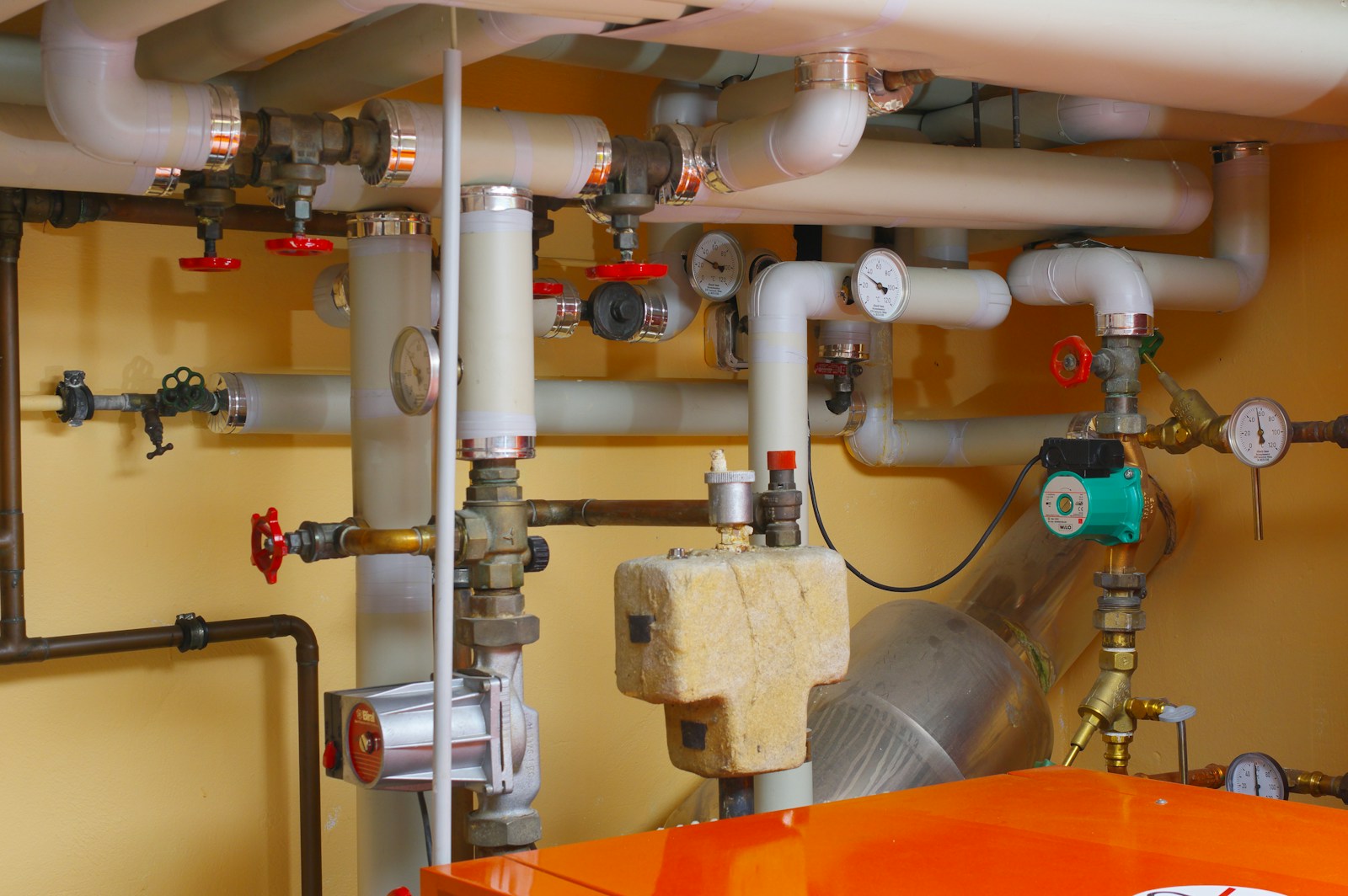
Assess Scope 1 sources within the agreed boundary, which may include fuel combustion, company-controlled vehicles and refrigerant losses. We review activity records and calculation assumptions so that the contribution of different operational sources can be understood and updated.
Purchased energy emissions
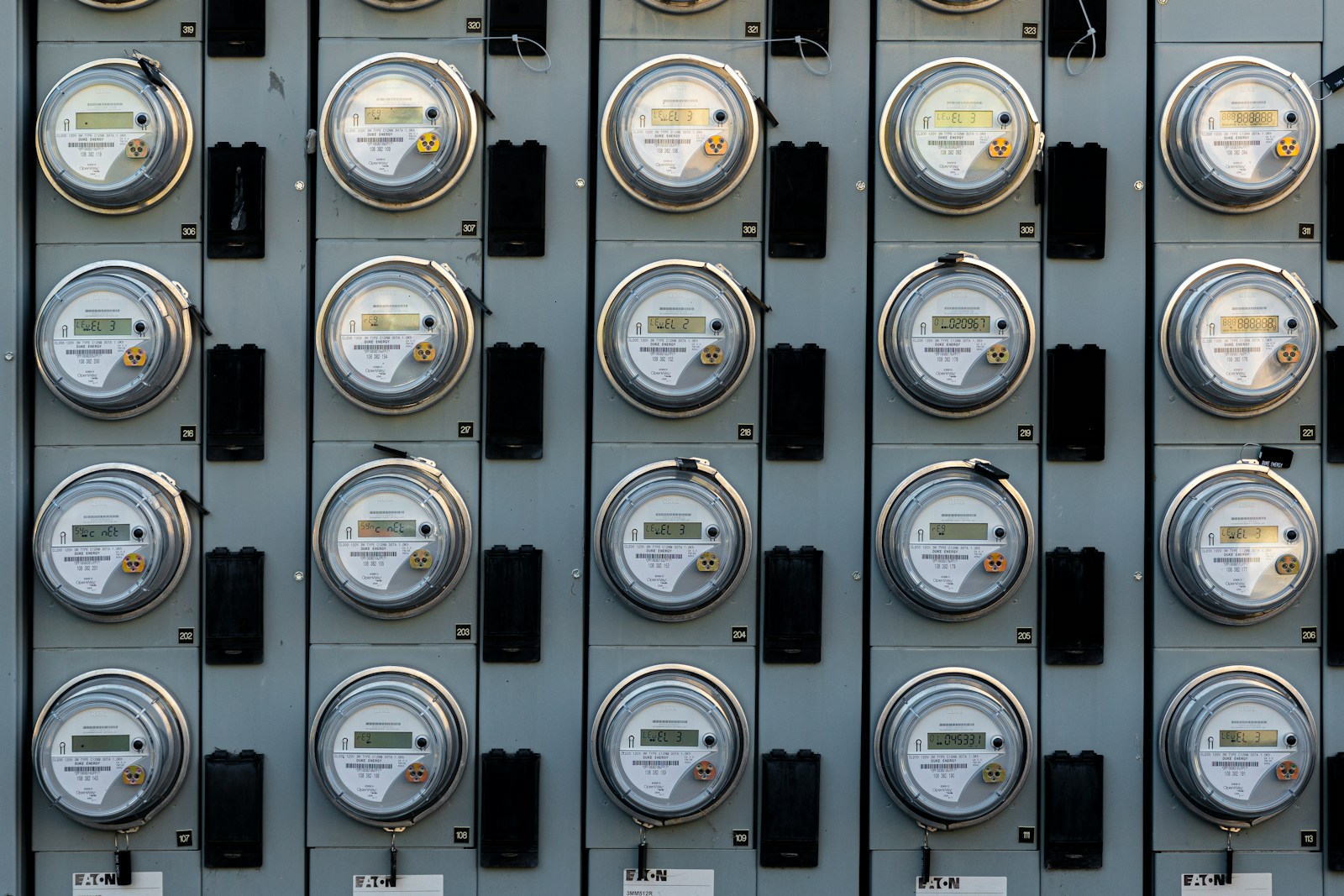
Calculate Scope 2 emissions associated with purchased energy, including electricity and relevant heating or cooling. Location-based and market-based reporting are considered where applicable, with the treatment of contractual instruments and supporting evidence documented against the selected methodology.

Value-chain screening
Screen the Scope 3 categories to identify relevant upstream and downstream activities. We assess the availability and quality of supplier, purchasing and other data, then prioritise the categories requiring calculation or further collection. Exclusions and estimation methods are explained rather than left implicit.
Calculation methods and data quality
Document the factors, units, conversions and assumptions used in the inventory. Checks address inconsistent periods, duplicate activity and missing evidence. Estimates are labelled, and a data-quality review identifies the improvements needed to make later inventories more reliable.


Carbon reduction priorities
Use the inventory to identify major emissions sources and areas for further operational or technical assessment. A carbon hotspot is a starting point for action, not proof of an achievable saving. We connect priorities with the additional analysis needed to develop an implementation plan.
Inventory outputs and repeat reporting
Deliverables can include the GHG inventory, carbon footprint report, Scope 3 screening, evidence register, emission-factor register and reduction priorities. We establish a repeatable update process so that changes in activity, boundaries and methods can be explained when comparing reporting periods.

Related services
Connect carbon information with operational evidence
Our approach combines a documented inventory with an understanding of the systems and activities generating the data. For property clients, cooling, metering, refrigerants and building operations can be examined with relevant technical specialists when that work is included in the scope.
Establish your carbon baseline
Tell us your reporting period, organisational structure and main activities. We will define the data and scope needed for your inventory.