Building Decarbonisation
Develop a practical improvement plan that connects building performance with technical options, investment costs and measurable outcomes.
Discuss Your Building Decarbonisation Plan
Please fill in the form below and we will contact you shortly.
Turn performance opportunities into an investment plan
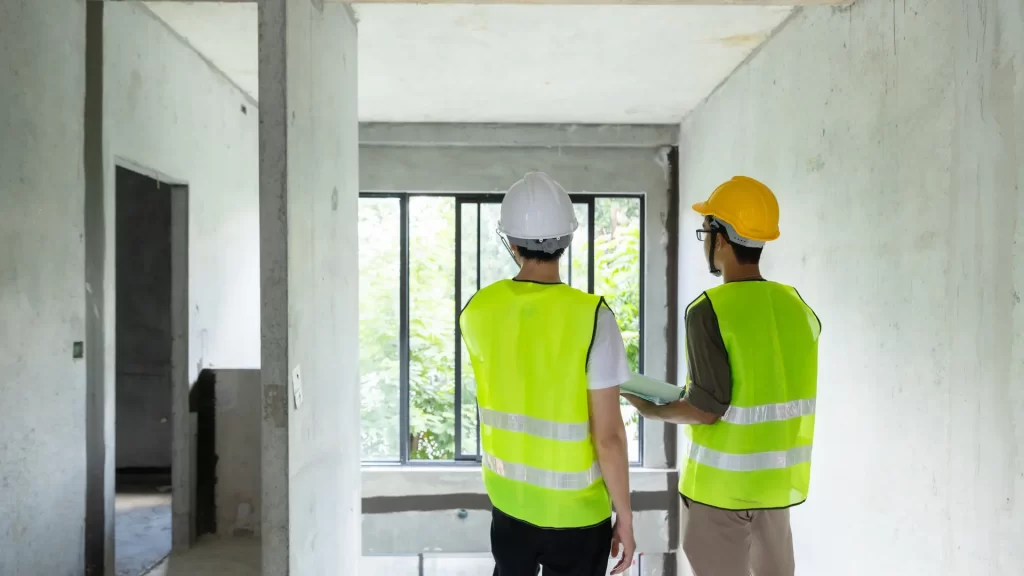
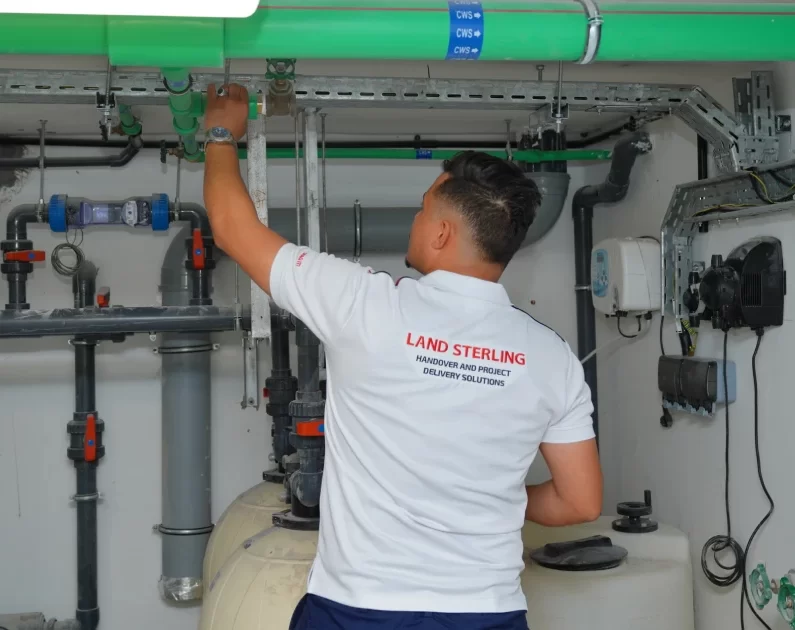
A building carbon baseline shows where emissions arise. A decarbonisation plan examines which measures are technically suitable, what they may cost and how they could be delivered. Land Sterling helps UAE property owners and managers develop that next stage of analysis.
We consider the building’s use, condition and operational constraints alongside energy and carbon objectives. The resulting plan can inform budgeting, procurement and project sequencing, with projected benefits distinguished from results that have already been measured.
Our building decarbonisation services
We agree the asset boundary, baseline period and decision criteria, then assess potential measures in enough detail to identify their assumptions, dependencies and next steps.
Baseline and operational review
Review utility information, metering, occupancy patterns and available asset records. Understand how the building is operated before proposing changes, because an apparent efficiency opportunity may reflect control settings, maintenance, usage or incomplete information rather than equipment alone.

Cooling HVAC and controls
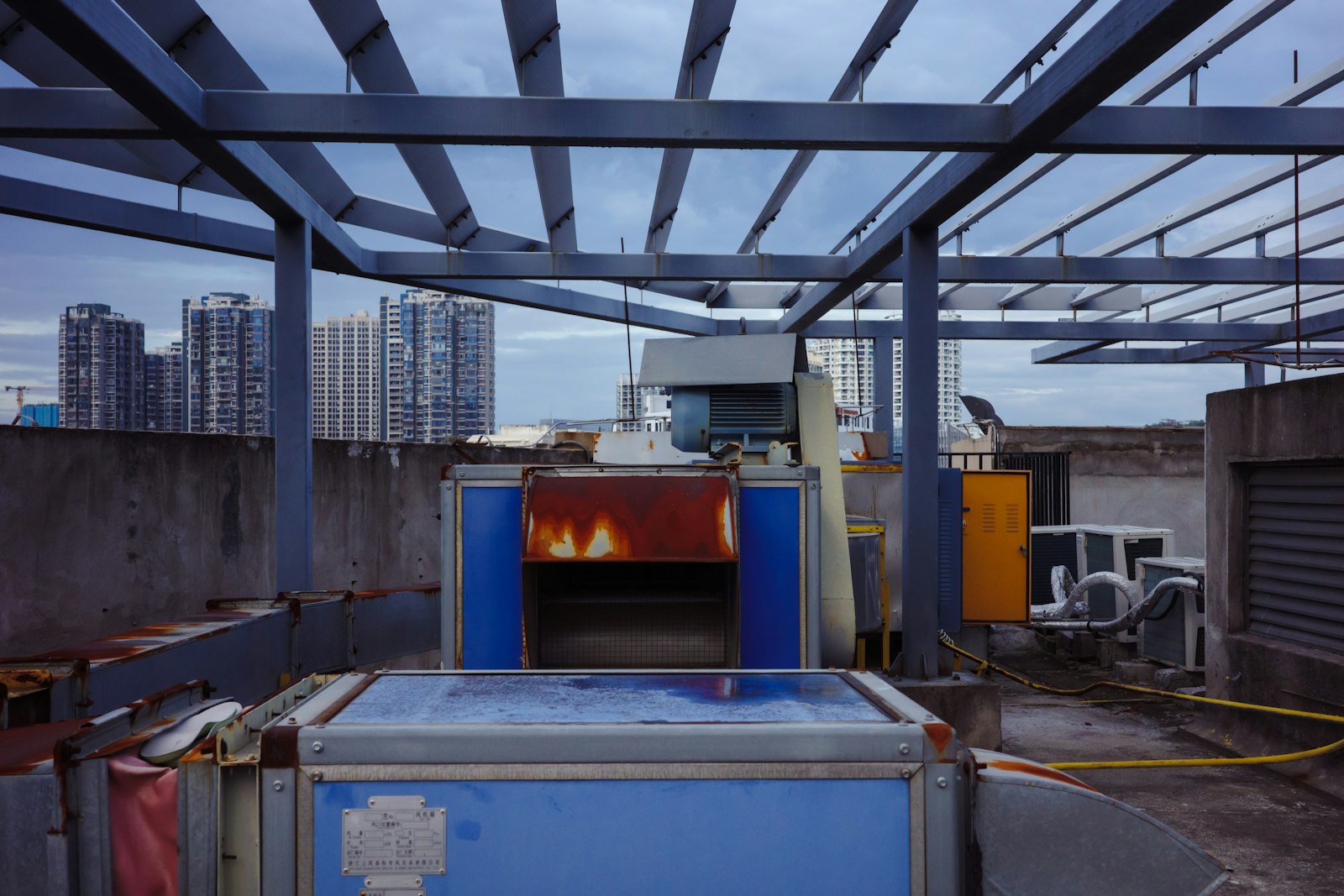
Assess opportunities involving chillers, HVAC systems, building management systems, controls and pump or fan operation. Options may range from operational adjustments to replacement projects. Recommendations consider system interactions, condition, remaining life and the requirements of occupied spaces.
Lighting and building fabric
Review suitable lighting and control measures alongside relevant envelope opportunities such as shading, insulation or glazing. The assessment considers comfort, use and technical feasibility so that a measure is evaluated in the context of the whole building.


Water refrigerants and renewable options
Consider measures involving water efficiency, leakage, irrigation and refrigerant management, together with renewable energy options where appropriate. Solar or other proposals require assessment of site conditions, permissions, system integration and the evidence supporting their anticipated performance.
Costs savings and carbon estimates
Develop a measure schedule with estimated CAPEX, operating cost effects, energy or water savings and carbon implications where data supports calculation. Explain the baseline, tariffs, emission factors and assumptions. Payback is one decision input and should be read alongside risk, asset life and other project requirements.


Delivery sequencing and dependencies
Prioritise measures around feasibility, disruption, budget and replacement cycles. Identify surveys, design work and procurement steps needed before implementation. Measures that interact are assessed together so that the plan does not add overlapping savings as though they were independent.
Implementation support and performance review
Deliverables can include a retrofit roadmap, cost schedule, estimated savings model and carbon reduction priorities. Project and cost specialists can support subsequent delivery under an agreed appointment. A measurement plan defines how performance will be reviewed after implementation against an appropriate baseline.
Related services
Connect the carbon objective with project delivery
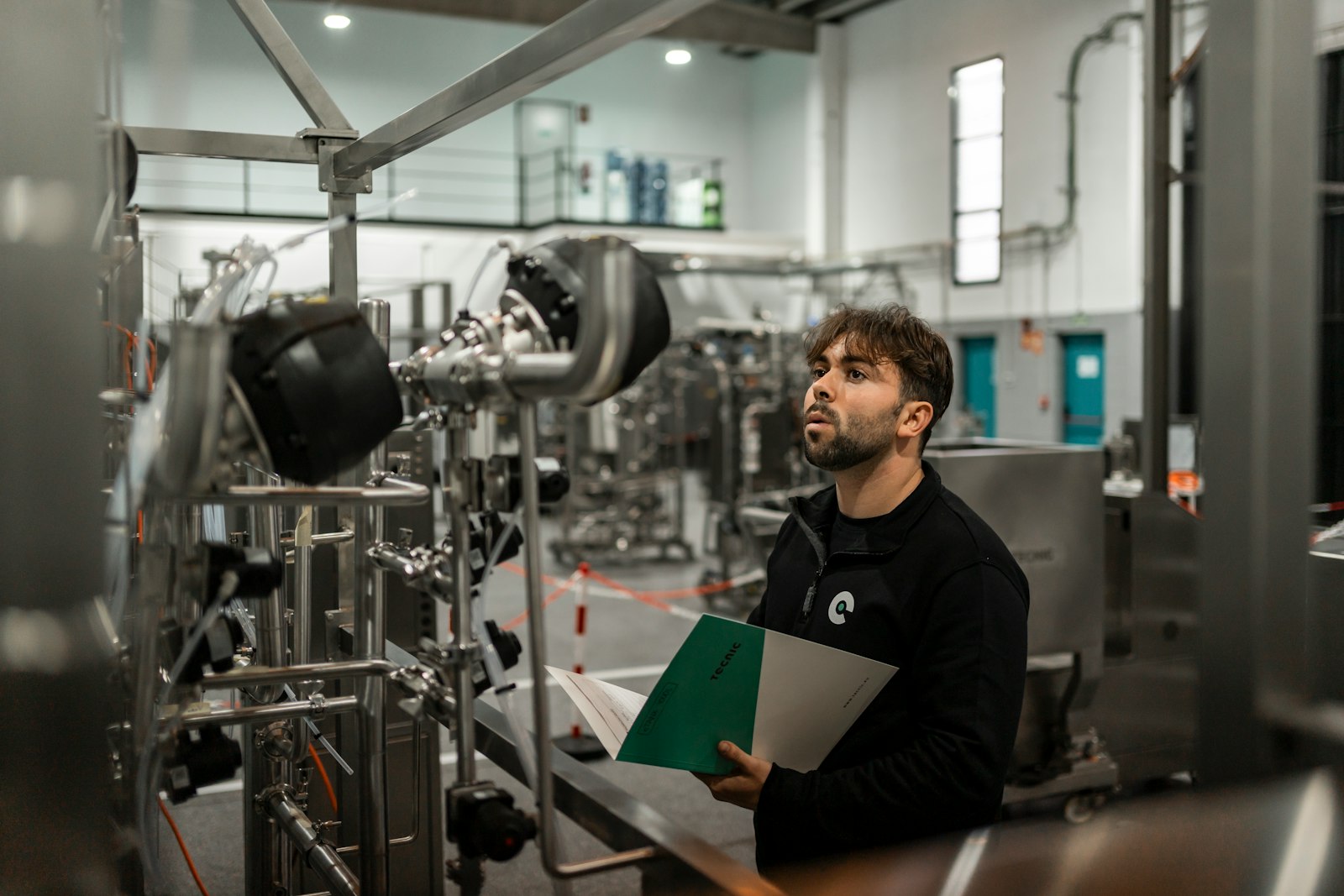
Land Sterling brings building, facilities and cost considerations into decarbonisation planning. This helps owners understand the technical work behind a proposal and decide which measures are ready for implementation, which need further investigation and how they fit the wider asset plan.
Identify the next improvements for your building
Share your asset type, utility information and planned works so we can define a useful starting assessment.