Community & OAM ESG Advisory
Bring common-area performance, resident experience and community governance into one practical ESG programme.
Discuss Your Community ESG Assessment
Please fill in the form below and we will contact you shortly.
An ESG approach for shared buildings and communities
Jointly owned properties have sustainability decisions that depend on common-area systems, management responsibilities and the people who use the community. Land Sterling helps OAM companies, community managers and owners assess these issues and establish priorities supported by evidence.
We connect utility and operational performance with resident engagement, contractor practices and governance. The aim is to make improvement requirements understandable and relate them to service arrangements, budgets and longer-term asset planning.
Our community and OAM ESG services
The assessment starts by defining the common areas, managed assets, decision-making arrangements and reporting period. This helps distinguish community responsibilities from those of individual owners or occupiers.
Common-area performance baseline
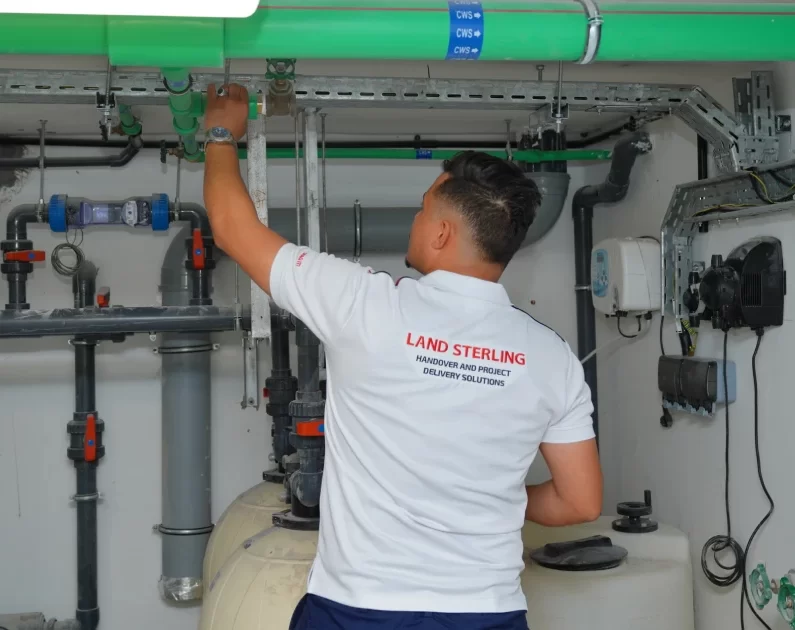
Review electricity, cooling and water records for the agreed managed areas. Map meters, assets and data ownership so that the baseline reflects the community’s actual responsibilities. Where allocations or records are incomplete, explain the uncertainty and the steps needed to improve it.

Resource and carbon information
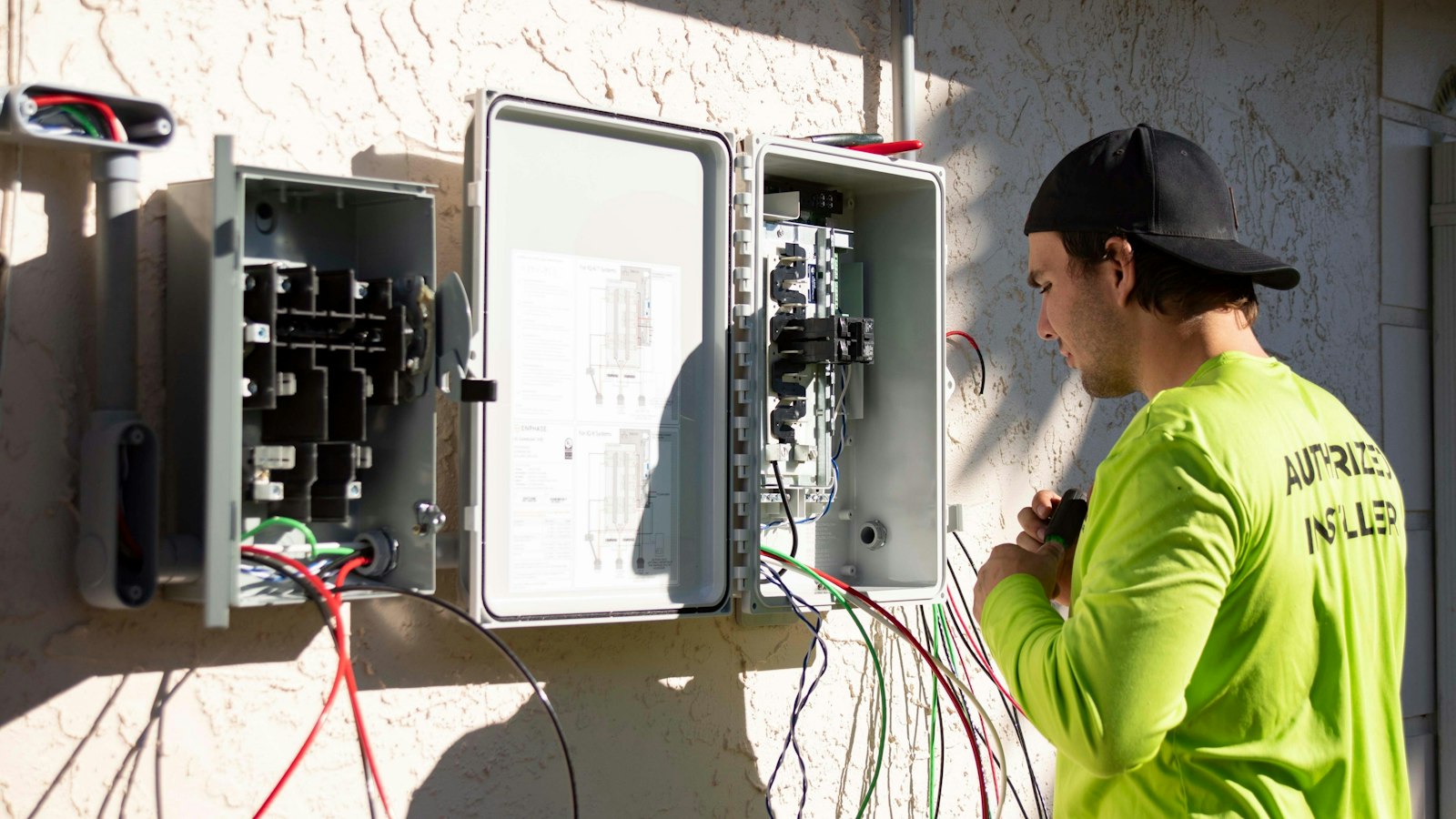
Assess relevant waste, refrigerant, irrigation and energy information, including renewable systems where present. The review identifies the data needed for a community carbon assessment and the operational issues that may justify further technical investigation.
Resident engagement and wellbeing
Review feedback, complaints and available information about residents’ experience of shared spaces and services. Consider accessibility and wellbeing within the agreed scope, connecting concerns with responsible teams and follow-up actions rather than treating a survey score as the whole outcome.


Contractor practices and safety governance
Examine how community management oversees relevant contractor welfare, health and safety responsibilities and service performance. The assessment considers documented procedures, records and escalation routes, with specialist investigations scoped separately where necessary.
Community oversight and procurement
Review how ESG matters are presented to the relevant management or owner oversight arrangements. Clarify responsibilities for decisions, reporting and follow-up, and consider how procurement requirements can support measurable service and sustainability objectives.


Budgets and improvement planning
Relate proposed operational changes and physical measures to service-charge and reserve-fund considerations. Identify timing, dependencies and estimated costs where evidence supports them. The assessment informs decisions; it does not replace the applicable approval processes for community expenditure.
Community reporting and monitoring
Outputs can include a community ESG profile, performance dashboard, governance recommendations and prioritised improvement plan. Annual reporting can show actions, results and remaining gaps, giving management a consistent basis for updating residents and relevant stakeholders.

Related services
Connect community priorities with building operations
Land Sterling brings property, facilities and technical considerations into the community ESG discussion. We help management understand which issues relate to data, service delivery or physical assets and identify the responsibilities needed to move each action forward.
Establish a practical community ESG plan
Tell us about the community, its managed facilities and the performance or reporting questions you need to address.